

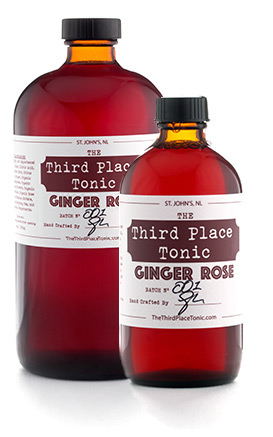
Ginger’s heard the rumors. Two gents (one with a penchant for waistcoats) have gone about the land spreading civility of drinking gin with their world-class tonic. They’re from her home town, St. John’s, NL, a city long known for its connection to the sea and the libations of its sailors.
Gin, although a great choice for some of the Navy crowd, doesn’t sit well with Ms. Rose. She’s a whiskey girl and she can sip dram after dram as well as any of the b’ys from down by the Harbour.
Ginger does concede that there’s a place for refinement; for cocktails made with intention and purpose. So she set out to create a cocktail of her own. Starting with cinchona for bitterness (a bat of her eyelashes and the lads were happy to lend her some), Ginger adds her name sake in abundance to create a spicy, floral and citrus forward cocktail that stands up to the sweet, bold flavour of her whiskey of choice – Kentucky bourbon.
Ingredients
Only the best of the best.
Quinine (Cinchona Bark)
Although historically found only in tonic water, the bitterness extracted from Cinchona tree bark is such an incredible addition to any cocktail, that quinine has become the heart and soul of all of The Third Place Cocktail Co. products.
The Third Place Cocktail Co., sources all natural, loose bark from Peru to make a tonic base or “bitter”. Although Cinchona will add some sweetness and a nutty, vanilla fragrance, the primary flavour is palate drying, mouth puckering bitterness!
Citrus Zest
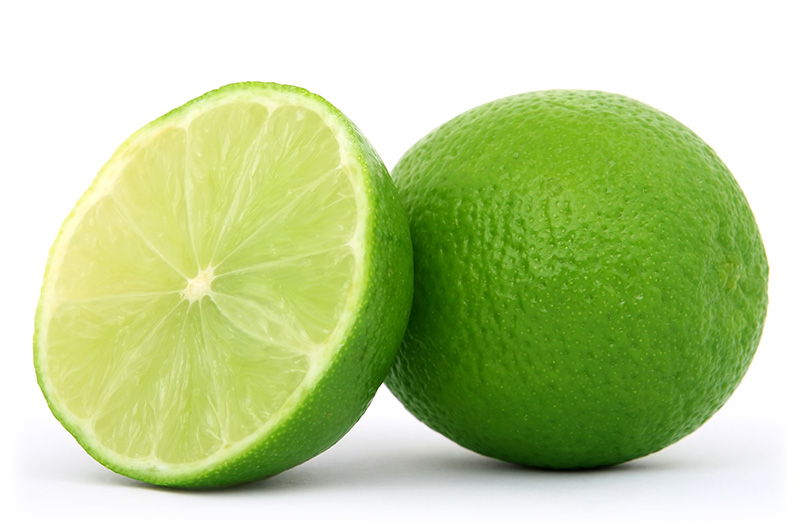
A key flavour to pair with whiskey is citrus, it does not matter if you are making an Old Fashioned, Sazerac, Manhatten, Hot Toddy, Rob Roy, or a Whiskey Sour - you aren't going to get it right unless you bring some serious citrus.
While citrus is often called in to add sourness to cocktails, the use of just the zest means more of the essential oils found in the skin of the fruit are extracted and a far greater depth of flavor is achieved. Those oils, when allowed to mature, become far more complex and impart sweetness, bitterness, and sourness in equal measure.
Lemongrass
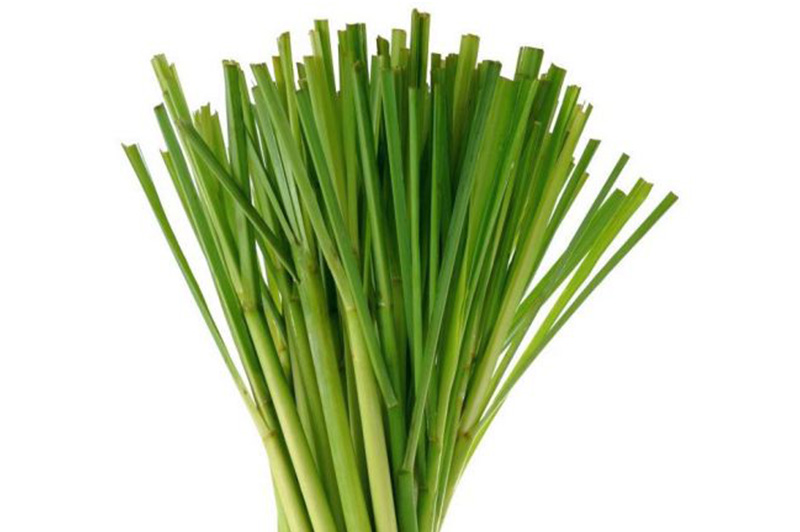
Like Cinchona bark, lemongrass has a long history of use as a medicinal ingredient. Indigenous Australians used lemongrass to treat skin irritations and wounds, and in parts of the Caribbean, native islanders used it to make “fever tea” for the treatment of stomach ailments and headaches.
Lemongrass further develops the refreshing profile of our tonic with notes of mint and ginger and you’re nose is sure to pick up its delicate, floral fragrance and fresh, grassy aroma.
Ginger
Ginger can do it all: make you see the light, and make you feel the heat. Although the warmth of ginger on the back of your palate is a beloved feature of this incredible root, the earthy lemon flavours are also an incredible addition to a whiskey cocktail. The balance of these flavours (and an assurance that the flavor of ginger isn’t too overpowering) is created through a combination of cold steeping and hot brewing techniques.
Rose
Both rose petals and rose hips are combined to make sure every possible flavor is exploited from the roses. The flavor, reminiscent of strawberries and green apples, is sweet, with subtle undertones of fruit, mint, and spice.
As you raise a glass of Ginger Rose to your lips the fragrance of roses is what fills your nose first, certainly worth taking the time to smell.
Hibiscus
The bright red colour of Ginger Rose is due in no small part to the use of hibiscus flowers. However, the colour is simply an added benefit of using these astringent, bitter flowers to bring even more flavour! Part of what one loves about great whiskey, especially scotch, is how it dries out your palate right away, but a few seconds later you start to salivate again and reach back for your glass. That same sensation can be found after every taste of Ginger Rose.
Lapsang Souchong Tea
Smoked cocktails are not only incredibly delicious, but also dramatic and bold. But the reality is no one really has the time to set up the smoking rig at home! To impart smoke into Ginger Rose, The Third Place Cocktail Co. looked to the world of tea - an important component in each of their products. This smoked Lapsang Souchong is originally from the Tong Mu Guan area in Xin Cun town in the Wuyi region of Fujian province, China. The farmers and factories in Tong Mu Guan are very famous, using a traditional way of drying the leaves with pine wood and providing only a limited quantity of Lapsang Souchong for export.
Szechuan Peppercorns
If you're not familiar with the numbing, tongue-tingling bite of Sichuan peppercorns, they can be a nerve-wracking ingredient to bring into your kitchen. In Ginger Rose, there’s just enough to bring out its tart, lemony, woodsy, and slightly peppery, flavour without the well-known tongue tingle (for the most part).